Compare Local Contractors for Low Voltage Lighting Services
Compare local contractors to define project scope, verify experience, and set clear expectations for your low voltage lighting service.
Low voltage lighting service typically involves the installation, repair, and maintenance of lighting systems that operate on lower voltage levels, often used for landscape, accent, or pathway lighting. This work includes designing lighting layouts, wiring fixtures, and ensuring proper placement to enhance the aesthetic appeal and functionality of outdoor or interior spaces. Contractors may also handle upgrades or modifications to existing low voltage systems, helping property owners achieve specific lighting effects or improve energy efficiency.
Clearly defining the scope of low voltage lighting work is essential to ensure all project requirements are understood and agreed upon before work begins. A detailed scope outlines the specific tasks, such as fixture installation, wiring, control systems, and any additional features like timers or dimmers. Having this in writing helps prevent misunderstandings, sets clear expectations, and provides a reference point for the project's progress. It also allows property owners to assess whether a contractor’s expertise aligns with their project needs and ensures that all necessary components are included.
When comparing local contractors for low voltage lighting services, property owners should consider factors such as experience with similar projects, the scope of services offered, and the level of detail in their proposals. It’s helpful to review how each contractor plans to approach the work and whether they provide comprehensive written estimates or project outlines. Asking for references or examples of completed projects can provide insight into their capabilities. By evaluating these aspects, property owners can make informed decisions and select service providers who are well-equipped to meet their specific lighting needs.
Compare local contractors by outlining project priorities, verifying experience, and establishing clear scope and expectations in writing.
- Compare Contractor Experience - Review the background and project history of local contractors to ensure they have relevant experience with low voltage lighting.
- Define Project Scope Clearly - Establish detailed expectations and specifications in writing to avoid misunderstandings.
- Verify Service Provider Credentials - Check references and credentials to assess the reliability and quality of local contractors.
- Request Written Agreements - Ensure all project details, responsibilities, and expectations are documented before work begins.

Clearly describe your low voltage lighting project to effectively compare local contractors, verify experience, and set clear expectations.
- Verify experience with low voltage lighting installations and service projects. - Ensure contractors clearly define the scope of work and expectations in writing.
- Compare credentials and references to assess the reliability and quality of local contractors. - Confirm that service providers have a history of successful low voltage lighting service.
- Check for proper understanding of your specific lighting needs and desired outcomes. - Make sure contractors can provide detailed descriptions of their proposed solutions.
- Review written estimates that outline the scope, materials, and work to be performed. - Ensure all project details are documented to avoid misunderstandings.
- Assess the communication process and responsiveness of potential service providers. - Choose contractors who are transparent and clear in their communication.
- Confirm that the contractor’s experience aligns with the complexity of your low voltage lighting project. - Select service providers with relevant expertise for your specific lighting setup.
Compare local contractors to clarify scope, verify experience, and set clear project expectations.
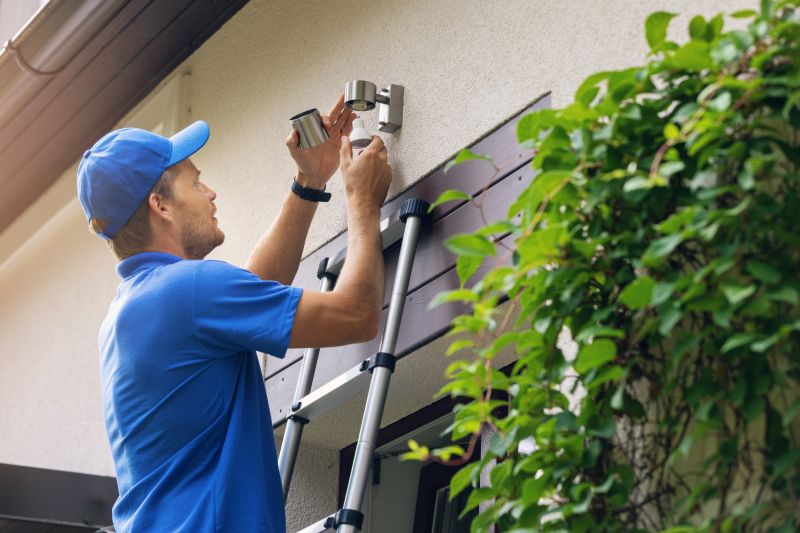



This scope builder helps you compare local contractors for low voltage lighting by standardizing scope, experience verification, and written expectations.
- Scope Definition - Clearly outline the specific low voltage lighting services required for the project.
- Experience Verification - Confirm that local contractors have relevant experience with low voltage lighting installations and maintenance.
- Material and Equipment Details - Specify the types of lighting fixtures, controls, and wiring to be used in the scope.
- Project Expectations in Writing - Document the scope, deliverables, and responsibilities to ensure mutual understanding.
- Comparison Criteria - Establish criteria to evaluate and compare different service providers based on scope and expertise.
When evaluating contractors for Low Voltage Lighting Service, it is important to consider their experience with similar projects. Homeowners should inquire about the types of lighting systems they have installed and the scale of previous work to ensure familiarity with the specific requirements of outdoor or landscape lighting. Contractors with a proven track record in comparable projects are more likely to understand the nuances involved, such as wiring considerations, fixture placement, and integration with existing electrical systems. This background can provide confidence that the service provider has the necessary practical knowledge to handle the unique aspects of the project.
A clear, written scope of work is essential when comparing service providers. Homeowners should seek detailed documentation that outlines what is included in the project, such as fixture installation, wiring, control systems, and any necessary repairs or adjustments. A well-defined scope helps prevent misunderstandings and ensures that both parties have aligned expectations. It also provides a basis for evaluating the thoroughness of the proposal and the professionalism of the contractor. Without a detailed scope, it can be challenging to compare options effectively or to ensure that all project needs will be addressed.
Verification basics involve confirming that contractors have the appropriate experience and qualifications relevant to Low Voltage Lighting Service. Homeowners should ask for references or examples of completed projects similar to their own. It is also helpful to verify that the service provider understands local codes and standards, even if licensing is not a focus. Asking about the process for ensuring quality and safety, as well as how they handle unforeseen issues, can provide insight into their reliability and expertise. This verification process helps identify contractors who are well-versed in the technical aspects of lighting installation and maintenance.
Evaluating options without focusing on pricing involves assessing the quality of proposals, the clarity of communication, and the professionalism demonstrated by each service provider. Homeowners should compare how thoroughly each contractor has outlined the scope, the materials they plan to use, and their approach to project management. It is also useful to consider the responsiveness and transparency of the contractors’ communication. By focusing on these qualitative factors, homeowners can select a service provider that aligns with their project needs and expectations, ensuring a smooth and satisfactory experience with their Low Voltage Lighting Service.
Request written scope of work to ensure clarity and consistency among local contractors for low voltage lighting.
- Experience and Expertise - What specific experience do the contractors have with low voltage lighting installations?
- Scope of Work - How do contractors define the scope of the lighting service to ensure all needs are addressed?
- Comparison of Services - What services and solutions do different local contractors offer for low voltage lighting?
- Project Expectations - How do service providers clarify project expectations and deliverables in writing?
- Qualifications and References - Can contractors provide references or examples of similar low voltage lighting projects they have completed?
How can I compare contractors for low voltage lighting services? To compare local service providers, review their experience, scope of services, and customer feedback. Ensuring they clearly outline their offerings helps in making an informed decision.
What should I consider when defining the scope of a low voltage lighting project? Clearly specify the areas to be lit, types of fixtures, desired effects, and any special features. Providing detailed information helps contractors understand your expectations.
How do I verify a contractor’s experience with low voltage lighting? Ask service providers about their previous projects, areas of expertise, and the types of lighting systems they have installed. This can give insight into their familiarity with similar jobs.
What is important to include in a written agreement with a contractor? Ensure the scope of work, materials to be used, project specifications, and payment terms are documented. Written agreements help set clear expectations for the project.
Why is it helpful to ask for references or examples of past work? Reviewing references or past projects can provide a better understanding of a contractor’s quality and reliability in delivering low voltage lighting services.
How can I ensure the contractor understands my lighting goals? Communicate your desired lighting effects, areas of focus, and any specific preferences clearly in writing. Clear communication helps align expectations and project outcomes.
This page provides an overview of how to find and compare contractors who specialize in low voltage lighting services. Visitors learned the importance of clearly defining the scope of work, verifying the experience of service providers, and setting expectations in writing to ensure a smooth project process. By exploring local contractors and understanding key considerations, homeowners can make informed decisions tailored to their lighting needs.
Using the provided quote form allows visitors to easily compare options among trusted local service providers. It’s a practical step to connect with experienced contractors who can address specific project requirements, helping to identify the best fit for the job. Taking this step can facilitate a more straightforward approach to finding the right low voltage lighting professionals.